

Understanding Bed Bugs
Comprehensive Guide to Bed Bugs
Discover everything you need to know about bed bugs, from their habits to effective treatment solutions.

Our Journey with Bed Bugs
What Are Bed Bugs?
Understanding Bed Bug Habitats
Bed bugs are small insects that thrive in environments where people rest or sleep, such as beds, couches, and chairs. They are not found in the wild but rather in residential and commercial spaces where they can easily access their human hosts. Learn more about their habits and how to identify them.
The Origin of Bed Bugs
Bed bugs are believed to have originated from the Middle East, where they were first associated with bats. Over time, these pests adapted to live with humans, thriving in environments where people rest or sleep. Today, bed bugs are found worldwide, often introduced into homes through travel and second-hand furniture.
These resilient insects are adept at hitchhiking, making their way into homes via luggage, clothing, or used items. Once inside, they quickly establish themselves in bedrooms and living areas, where they have easy access to their human hosts.
Understanding the origins and introduction methods of bed bugs is crucial for effective prevention and control. By being vigilant about the items we bring into our homes, we can reduce the risk of infestation.
How Bed Bugs Spread
Bed bugs are notorious for their ability to spread quickly and discreetly. These pests often hitch a ride on personal belongings such as clothing, luggage, and handbags. When you travel or have visitors, bed bugs can easily transfer from one location to another, leading to new infestations.
It’s important to inspect your belongings after traveling or purchasing second-hand items. By taking proactive measures, you can prevent bed bugs from making your home their next stop.
Q: Where Do Bed Bugs Live?
Common Habitats of Bed Bugs
Answer: Bed bugs are commonly found in residential areas, particularly in places where people sleep or rest. They thrive in the seams of mattresses, bed frames, and upholstered furniture. In severe infestations, they can spread to wall crevices, floorboards, and even ceilings.
These pests are not limited to homes; they can also be found in hotels, apartments, and other accommodations. Regular inspections and prompt treatment are essential to manage and eliminate bed bug populations effectively.
Discover How to Identify Bed Bugs
Take control of your living space by learning the signs of bed bug infestations. Our expert guide will help you identify these pests early, ensuring peace of mind and a comfortable home environment.
Understanding Bed Bug Diet
Question: What Do Bed Bugs Eat?
Answer: Bed bugs are parasitic insects that feed exclusively on blood. They typically bite their hosts while they are sleeping, using their specialized mouthparts to pierce the skin and draw blood. This feeding process can last anywhere from three to ten minutes, after which the bed bug retreats to its hiding place. Understanding their feeding habits is crucial for effective control and prevention.
While bed bugs primarily feed on human blood, they can also bite pets if necessary. Their bites are often painless at first but can lead to itchy welts and allergic reactions. Knowing the signs of bed bug bites can help you identify an infestation early and seek appropriate treatment.
Identifying Bed Bugs
Q: What Do Bed Bugs Look Like?
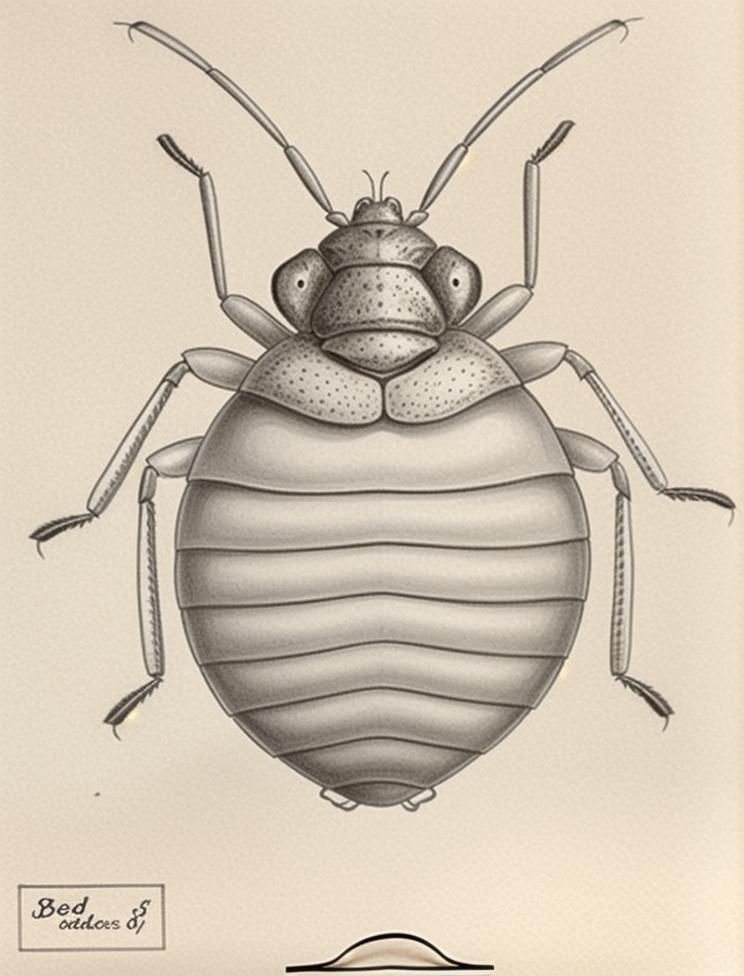
A: Bed bugs undergo several stages of growth, starting as tiny, almost transparent nymphs less than 1 mm in size. As they mature, they develop a light amber color, eventually reaching an adult size of about 3 cm or 1/4 inch with a dark brown or reddish-brown hue. Their oval shape and paper-thin bodies make them adept at hiding in small crevices, but recognizing these characteristics can aid in their detection.
Explore Our Bed Bug Image Gallery
Enhance your understanding of bed bugs with our detailed image gallery. Discover how to identify these pests effectively and take the first step towards a bed bug-free home.